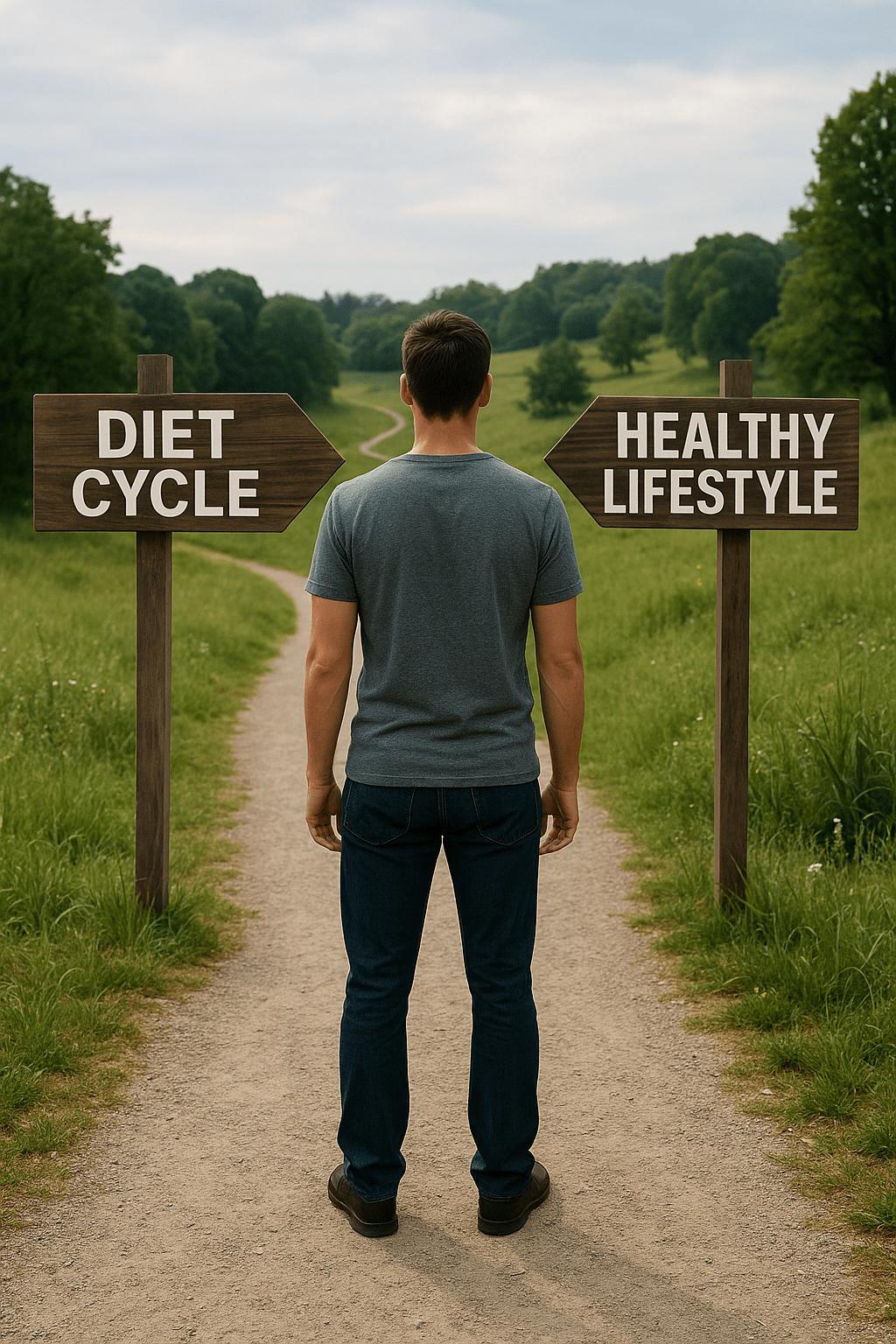
We’ve all been there. You start a new diet with sky-high motivation, full of promises and plans. For the first week or two, things seem great—you’re eating clean, tracking calories, maybe even shedding a few pounds. But then life happens. A stressful day, a late-night craving, a weekend gathering… and suddenly, you’re “off the diet.”
Sound familiar? You’re not alone. Studies show that most diets fail within weeks, not because people don’t care about their health, but because they approach dieting the wrong way. The problem isn’t you. The problem is the dieting mindset.
The good news? A few simple mindset and behavior shifts can make lasting change possible. Let’s dive in.
The #1 Reason Most Diets Fail: The All-or-Nothing Mentality
Diets often set us up for failure because they demand perfection. Cut out carbs. Eliminate sugar. No eating after 7 p.m.
The problem? Life isn’t perfect. When you inevitably “slip up,” the guilt spiral begins:
- “I blew it—might as well start over Monday.”
- “I ate one cookie, so the day is ruined.”
This black-and-white thinking makes it nearly impossible to stick with any plan long-term.
The Simple Shift: Progress Over Perfection
Instead of aiming for perfection, aim for better choices more often.
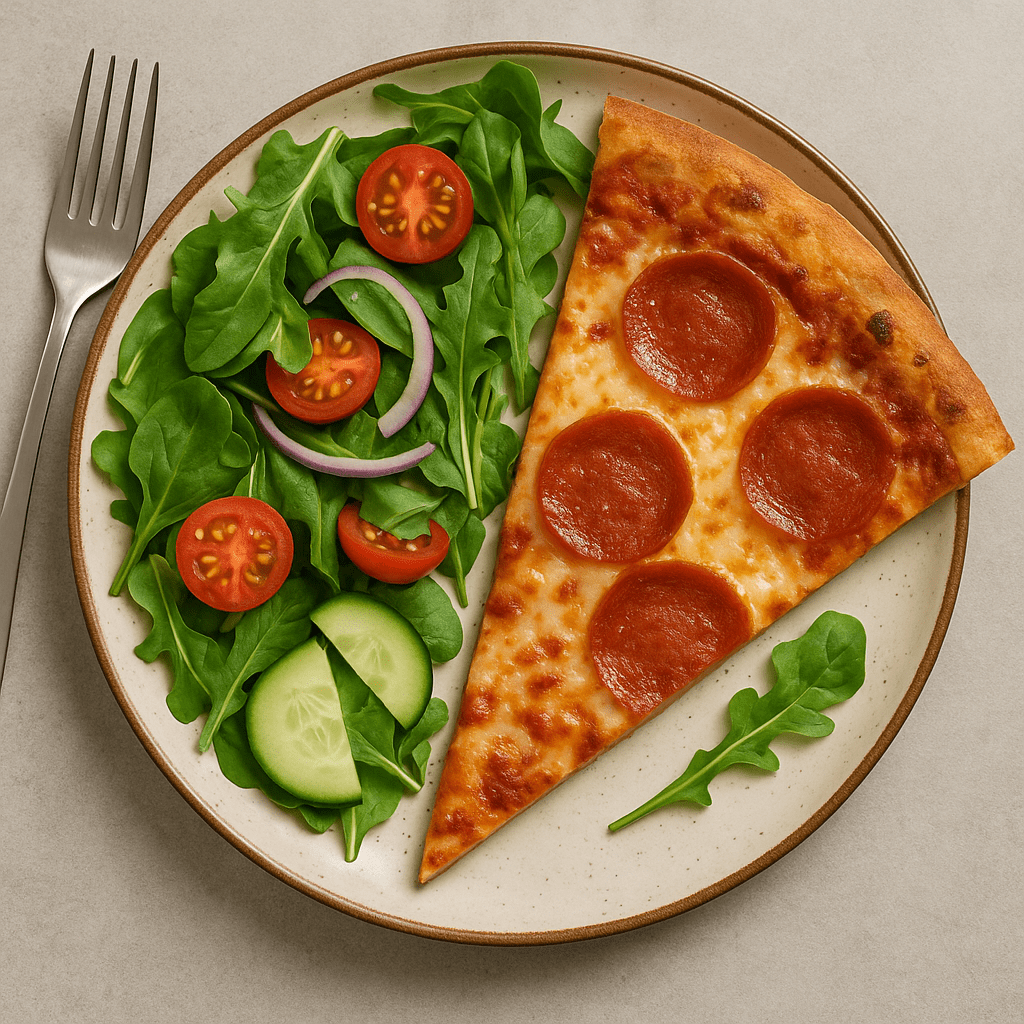
- Ate pizza? Pair it with a side salad.
- Had dessert? Enjoy it guilt-free and balance your next meal with protein and veggies.
- Skipped the gym? Go for a walk instead of giving up completely.
Remember: Consistency beats intensity every time.
Why Restriction Backfires
When you tell yourself you “can’t” have certain foods, guess what? You crave them even more. This is why many diets feel like a battle of willpower, which you will eventually lose.
The Simple Shift: Add Instead of Subtract
Instead of obsessing over what to cut out, focus on what to add:
- More water throughout the day.
- More protein at each meal.
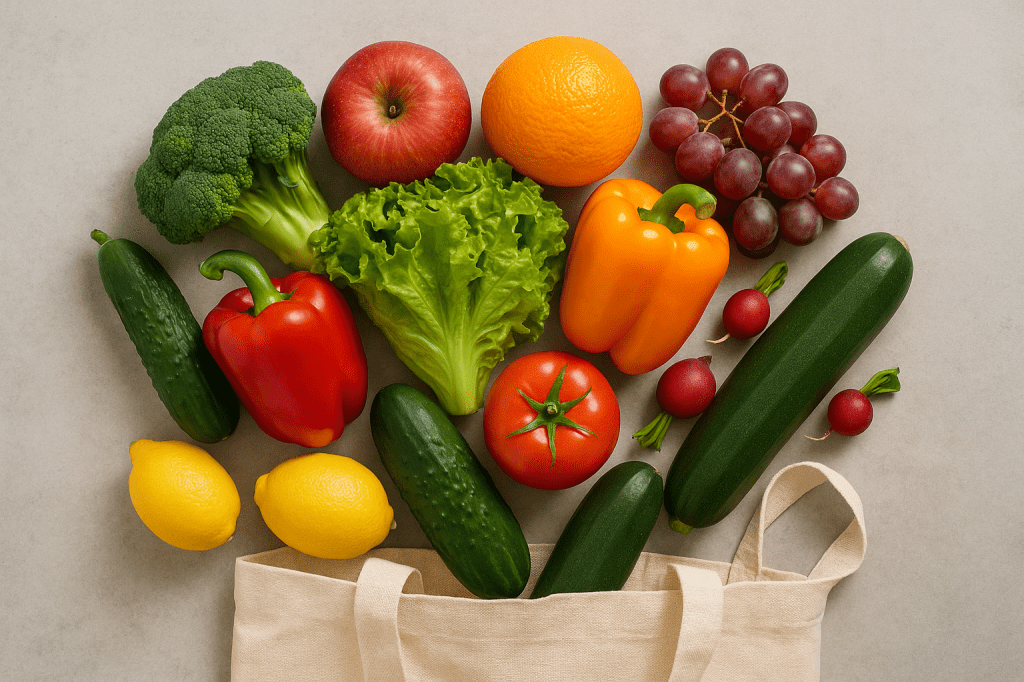
- More colorful vegetables.
- More movement in your daily routine.
This positive approach naturally reduces cravings and makes healthier choices feel effortless.
The Hidden Key: Your Environment
Willpower is overrated. The truth is, your environment shapes your behavior. If your pantry is full of chips and soda, you’ll eat chips and soda.
The Simple Shift: Set Yourself Up for Success
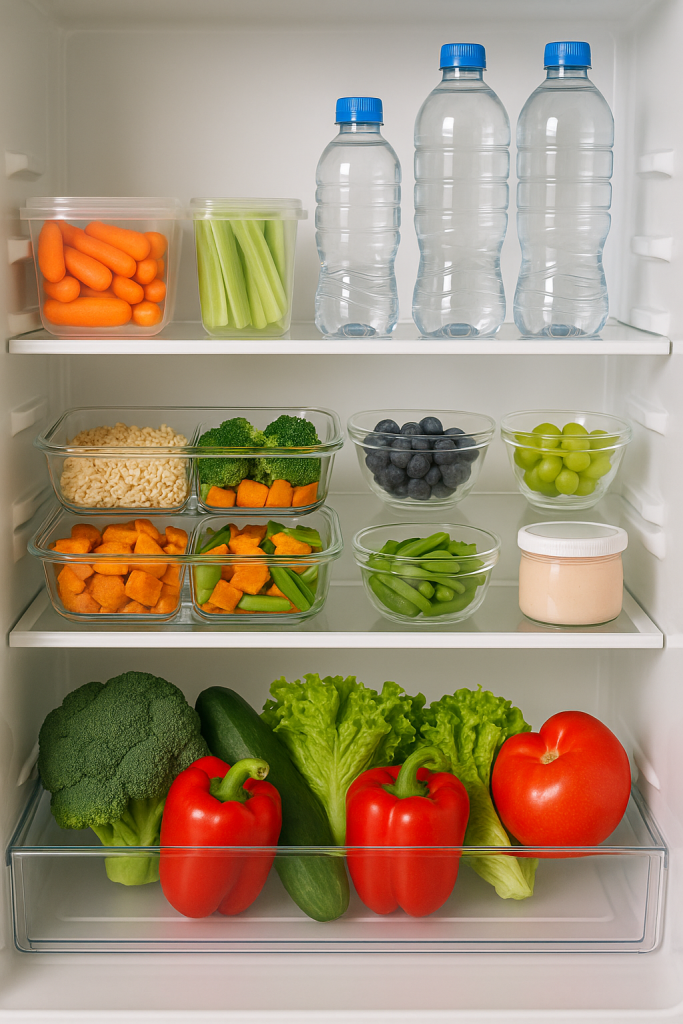
- Stock your fridge with prepped fruits and veggies.
- Keep a water bottle on your desk.
- Put healthier snacks at eye level.
- Plan meals ahead to reduce decision fatigue.
When healthy choices are the easy choices, they become your default.
Final Takeaway: Diets Don’t Work. Shifts Do.
Lasting change doesn’t come from a 30-day plan—it comes from the small daily shifts that add up over time. When you let go of perfection, stop restricting, and shape your environment, you’ll find yourself building a lifestyle that works for you—not against you.
Call to Action
Ready to make health a part of your lifestyle instead of a never-ending diet cycle? Start today by making just one simple shift—drink more water, add a veggie to your meal, or take a walk after dinner.
Your future self will thank you.
Contact Me
Have questions or want personalized tips? Contact me here. I’d love to help you find the shifts that work best for you.
Want More?
If you enjoyed this post, check out these related reads:

 VitalShift
Leave a reply to The Supplements I Use for Better Recovery and Energy – VitalShift Cancel reply