
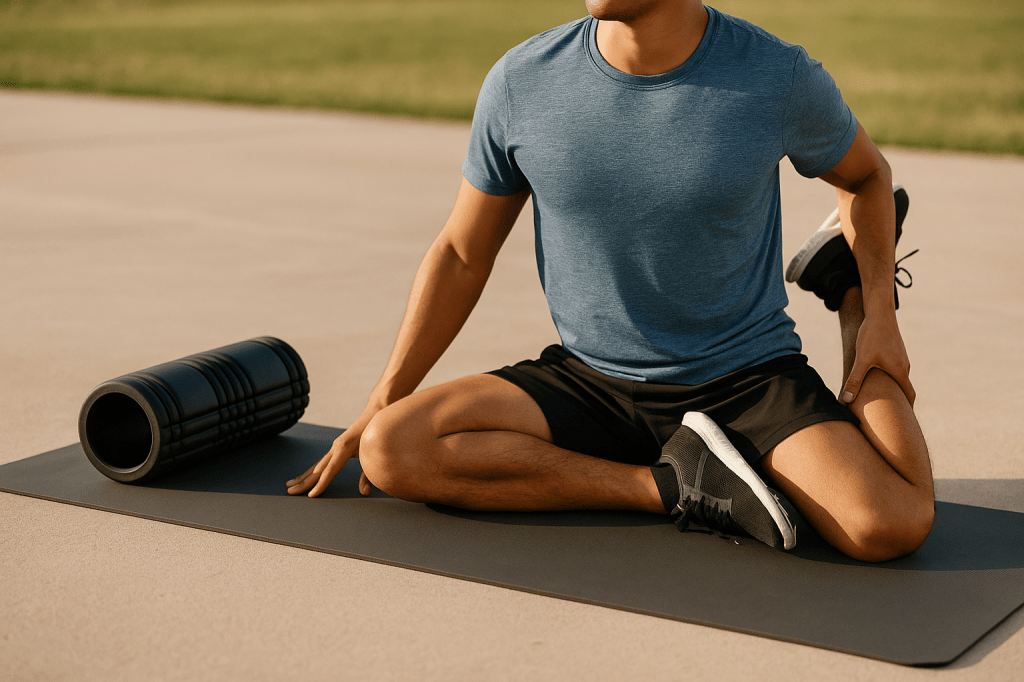
You finish your workout, drenched in sweat and feeling like a champ—but now what?
Most of us either skip recovery altogether or go straight into a quick stretch or a foam roll… but which one actually helps your muscles recover faster, feel better, and perform stronger next time?
I’ve been testing both on myself for weeks—and here’s what I learned (plus what science has to say).
Why Recovery Matters More Than You Think
Recovery isn’t just about avoiding soreness. It’s when your muscles repair, grow, and adapt. Neglecting recovery can lead to tightness, injuries, and stalled progress.
That’s where stretching and foam rolling come in. Both aim to increase blood flow, reduce soreness, and improve mobility—but they work in different ways.
Let’s break it down.
What Stretching Does (And When It Helps Most)
Stretching helps lengthen tight muscles and improve flexibility. It’s best used:
- After a workout to bring your body back to a calm state.
- On rest days to maintain mobility.
- Before a workout only if it’s dynamic stretching (more on that below).
There are two main types:
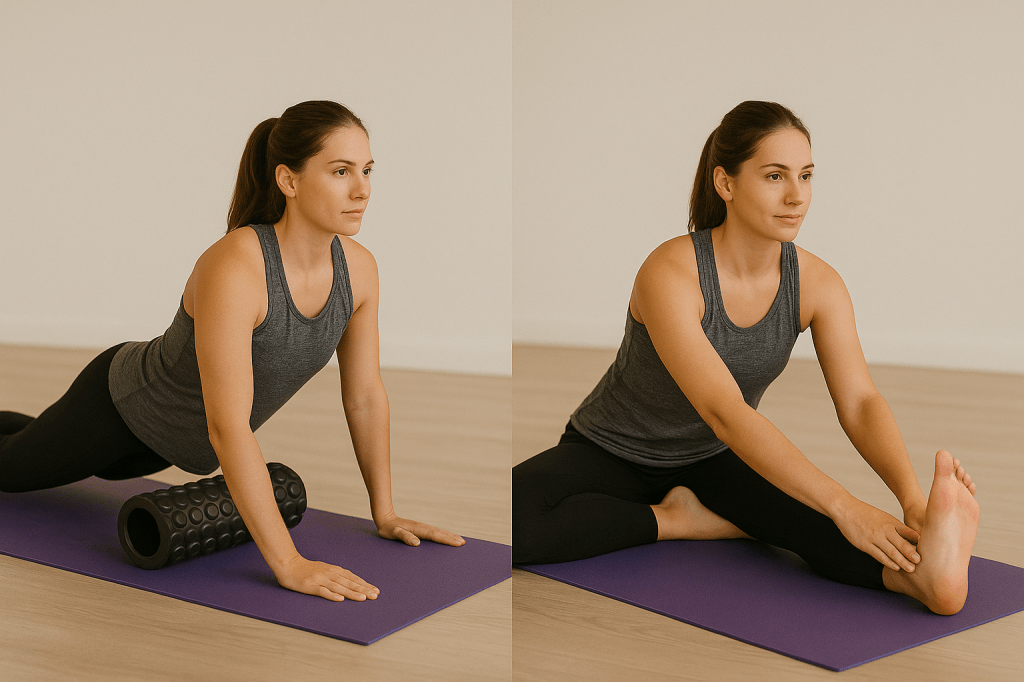
- Static stretching: Holding a muscle in an extended position for 20–60 seconds (great post-workout).
- Dynamic stretching: Controlled movements that take your joints through a full range of motion (better for warmups).

What Foam Rolling Does (And Why It Feels So Good)
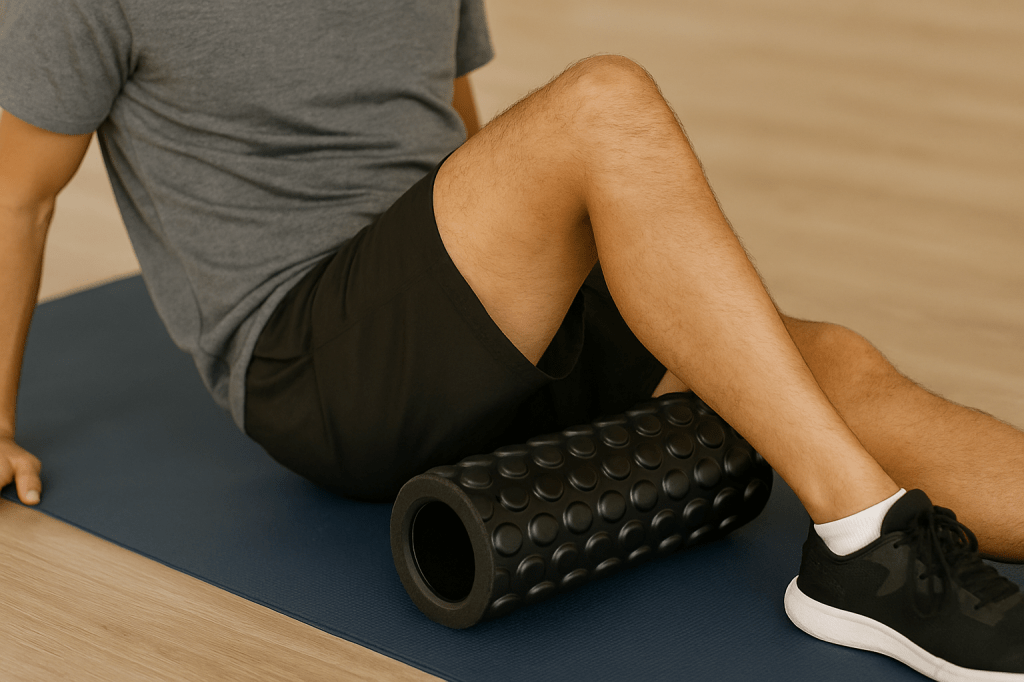
Foam rolling, aka self-myofascial release, applies pressure to the fascia (the connective tissue around muscles) to release tension and improve tissue quality. It:
- Reduces muscle soreness (DOMS).
- Increases range of motion.
- Helps break up adhesions or “knots.”
It’s basically like giving yourself a deep-tissue massage—without the $100 bill.
Head-to-Head: Stretching vs. Foam Rolling
| Feature | Stretching | Foam Rolling |
|---|---|---|
| Best for | Flexibility & mobility | Soreness & tissue recovery |
| When to do it | After workouts or rest days | Before or after workouts |
| Tools needed | None | Foam roller or massage tool |
| Immediate relief? | Sometimes | Often |
| Backed by science? | Yes | Yes |
So which one is better?
Here’s the truth: they serve different purposes—and the best recovery plans usually include both.
My Personal Experience (What I Noticed)
After weight training sessions, I tested 2 routines:
Week 1: Only static stretching
– I felt more flexible
– Still pretty sore the next day
Week 2: Foam rolling only
– Big reduction in soreness
– Slight tightness lingered in my hips
Week 3: Foam rolling + stretching
The sweet spot. I felt less sore, more mobile, and ready for my next session faster.
Moral of the story: You don’t need to pick one. Stack them smartly.
How to Combine Both for Maximum Recovery
Try this simple recovery routine post-workout or on rest days:
- Foam Roll (5–10 minutes)
- Quads, hamstrings, glutes, calves, upper back
- Stretch (5–10 minutes)
- Focus on muscle groups you trained that day
- Breathe deeply during both for even better results
Common Mistakes to Avoid
- Stretching cold muscles: Always warm up first or stretch after activity.
- Rolling too fast: Go slow to give your muscles time to release.
- Skipping rest days: Recovery tools don’t replace sleep and rest!
Bottom Line: Which One Should You Use?
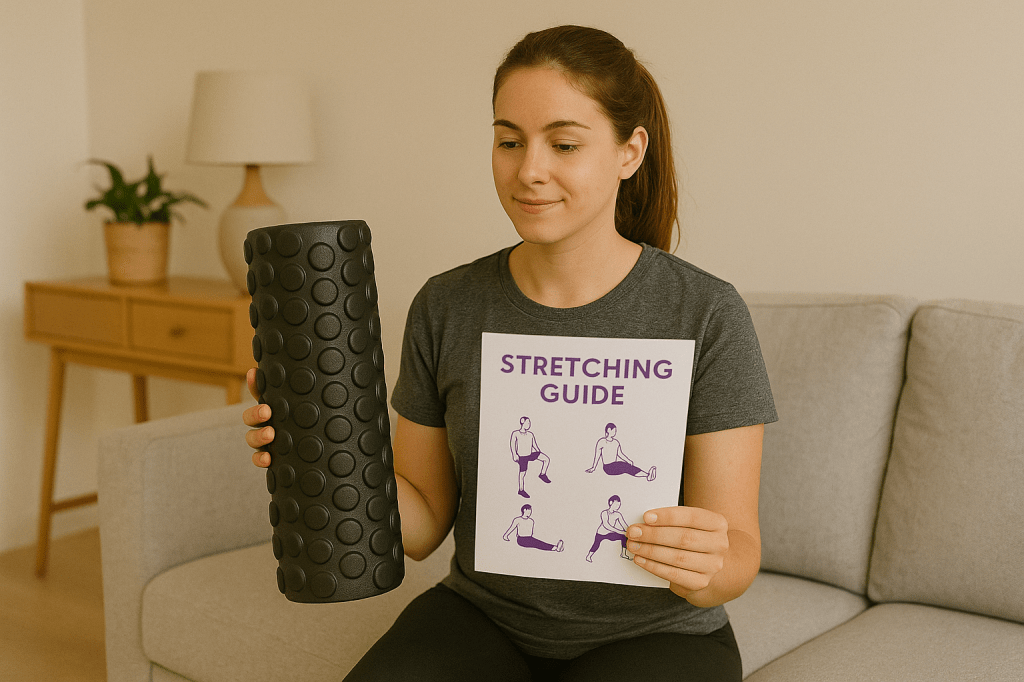
If you’re chasing better recovery, the goal isn’t to choose one over the other—it’s to understand when and how to use both:
- Foam roll before or after workouts to release tension.
- Stretch after workouts or on rest days to maintain flexibility.
- Combine both to feel and perform your best.
It’s not about being perfect—it’s about staying consistent.
Final Tip: Make Recovery Part of Your Lifestyle
Instead of treating recovery like an afterthought, make it a regular habit. You’ll feel better, move better, and avoid the burnout that sidelines so many people.
Start small: Add 10 minutes of foam rolling and stretching after your next workout.
Ready to Take Recovery Seriously?
If you have questions about building your own recovery routine or want feedback on what might work best for your workouts, I’d love to help!
👉 Contact me here for personalized support or improvements to this post.

 VitalShift
Leave a reply to Anti-Inflammatory Habits That Transformed My Digestion, Skin, and Mood – VitalShift Cancel reply