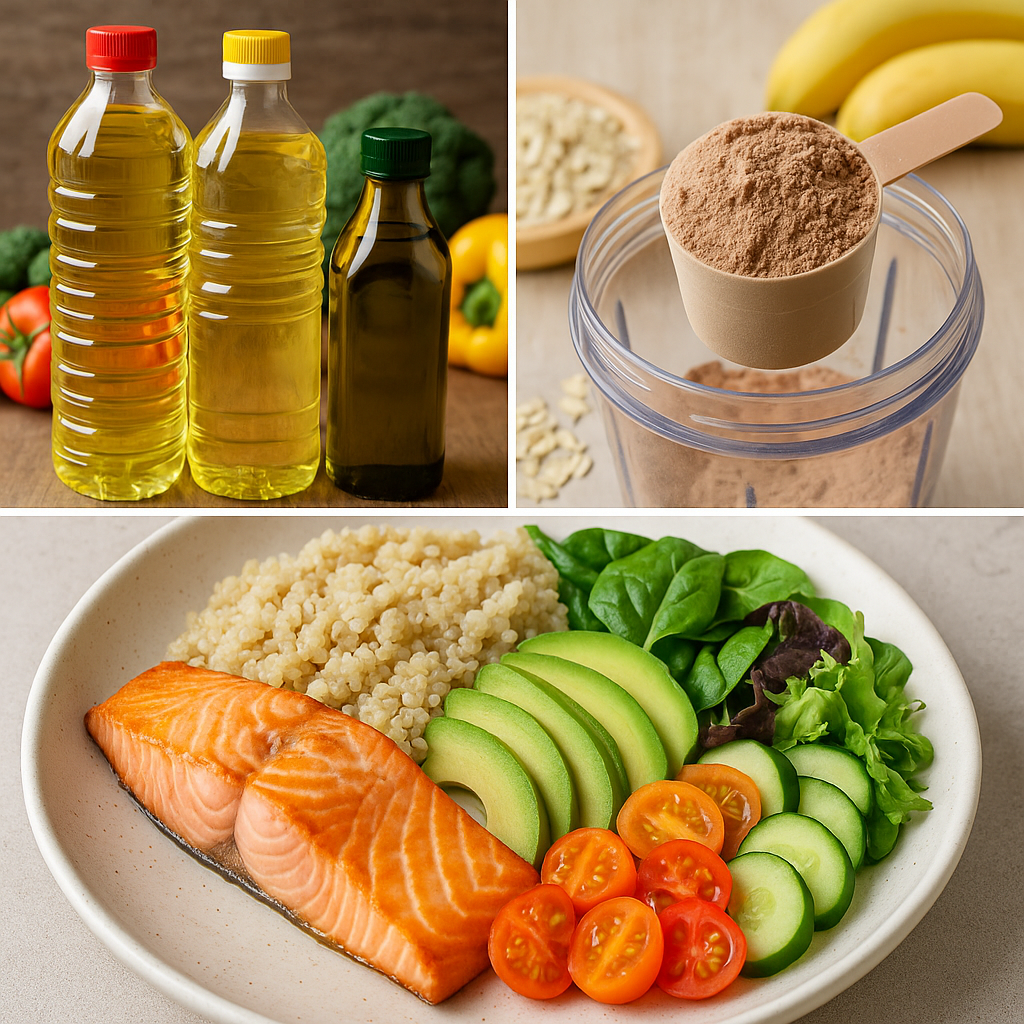
Are seed oils really toxic? Are protein powders secretly bad for you? And what does “clean eating” even mean anymore? If you’ve scrolled through health Instagram or TikTok lately, you’ve probably heard conflicting advice. Some influencers warn you to avoid seed oils “at all costs,” while others claim protein powders are “processed junk.” And then there’s the never-ending debate about what’s truly “clean” when it comes to food.
It’s enough to make anyone’s head spin — or worse, ditch healthy eating altogether because it feels impossible to “do it right.”
The truth? Nutrition isn’t black-and-white. Today, I’m breaking down science-backed answers about seed oils, protein powders, and clean eating — so you can make decisions that are realistic, sustainable, and actually good for your health.
1. The Seed Oil Controversy — Fact vs. Fiction
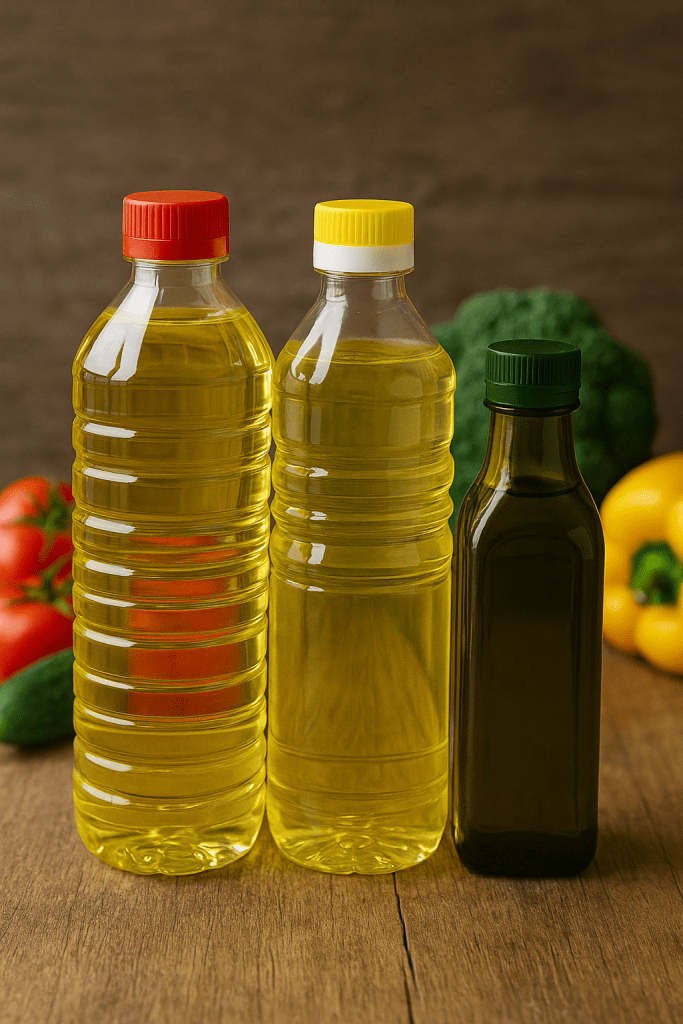
Seed oils (like soybean, sunflower, and canola oil) have been labeled by some health communities as “toxic” and blamed for everything from inflammation to chronic disease.
Here’s the truth:
- Why they’re controversial: Many seed oils are high in omega-6 fatty acids, which can promote inflammation if your diet is heavily imbalanced (too much omega-6, too little omega-3).
- The science: Multiple studies show that in moderation, seed oils can be part of a healthy diet — especially when they replace saturated fats like butter or lard. The real problem isn’t seed oils alone; it’s an overall lack of omega-3-rich foods (like salmon, chia seeds, and flaxseeds).
- When to be mindful: Highly processed fried foods often use repeatedly heated seed oils, which can form harmful compounds. It’s wise to limit these — not necessarily eliminate seed oils altogether.
Practical Tip: Aim for a better omega balance by adding more fatty fish, walnuts, and flaxseed into your week. Use olive oil for low-to-medium heat cooking and reserve seed oils for dressings or baking when needed.
2. Protein Powders — Friend or Foe?
Protein powders get mixed reviews. Some people see them as an essential part of fitness nutrition, while others avoid them for being “too processed.”
Here’s the breakdown:
- The pros: Protein powders (whey, casein, plant-based) are convenient, easy to digest, and can help you hit your daily protein target — especially if you’re active or trying to build muscle.
- The cons: Some contain added sugars, artificial flavors, or fillers. Cheap protein powders can also have lower-quality protein or unnecessary additives.
- The verdict: A quality protein powder is a supplement, not a replacement for whole-food protein sources. Look for brands with short ingredient lists and third-party testing for purity.
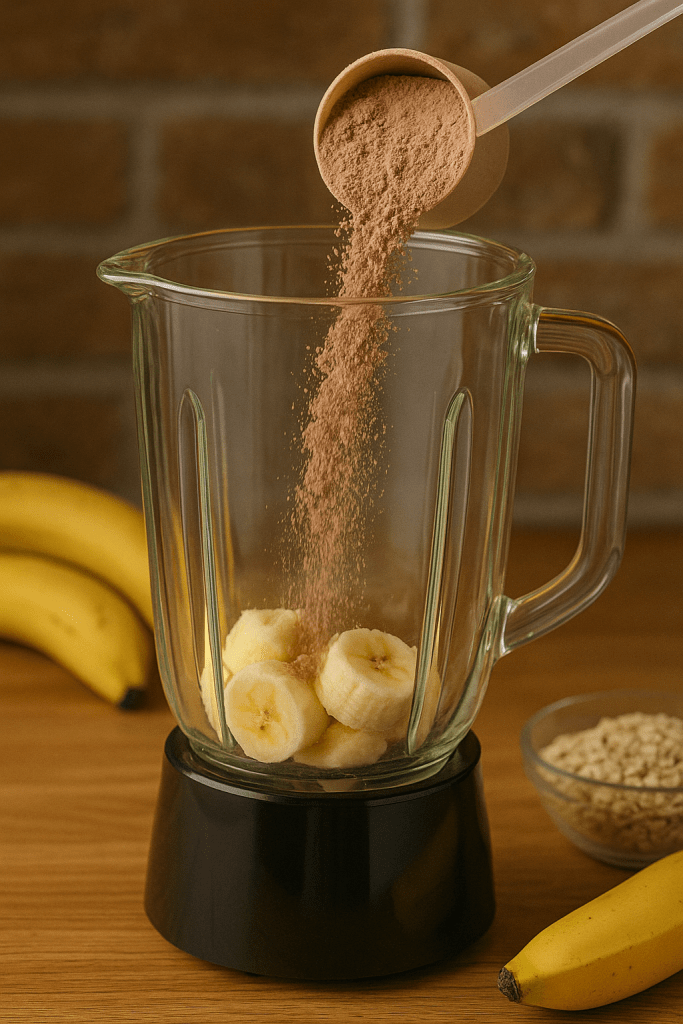
Practical Tip: Use protein powder as a tool — not a crutch. Blend it into smoothies, mix it into overnight oats, or stir it into Greek yogurt for a high-protein snack.
3. ‘Clean Eating’ — The Most Misunderstood Health Trend
Once upon a time, “clean eating” simply meant focusing on whole, minimally processed foods. Now, it’s turned into a marketing buzzword — and sometimes, a source of guilt and food fear.
- The problem with the term: It can imply that certain foods are “dirty” or “bad,” which can lead to an unhealthy relationship with eating.
- The reality: All foods exist on a spectrum of nutrition. A balanced diet includes mostly whole foods while still allowing room for treats.
- The danger: Over-restricting can backfire, leading to binge eating or nutrient deficiencies.
Practical Tip: Instead of “clean eating,” think nutrient-dense eating. Focus on adding more fruits, vegetables, whole grains, lean proteins, and healthy fats — not obsessing over perfection.
4. How to Balance the Three for a Healthy Lifestyle
Instead of stressing over seed oils, protein powders, or clean eating rules, try this balanced approach:
- Choose your oils wisely. Use olive oil for most cooking, seed oils in moderation, and include omega-3-rich foods weekly.
- Supplement smart. If protein is hard to get from whole foods alone, choose a high-quality powder without unnecessary fillers.
- Focus on addition, not restriction. Add nutrient-rich foods rather than creating a long list of “forbidden” items.
Simple Day of Eating for Balance:
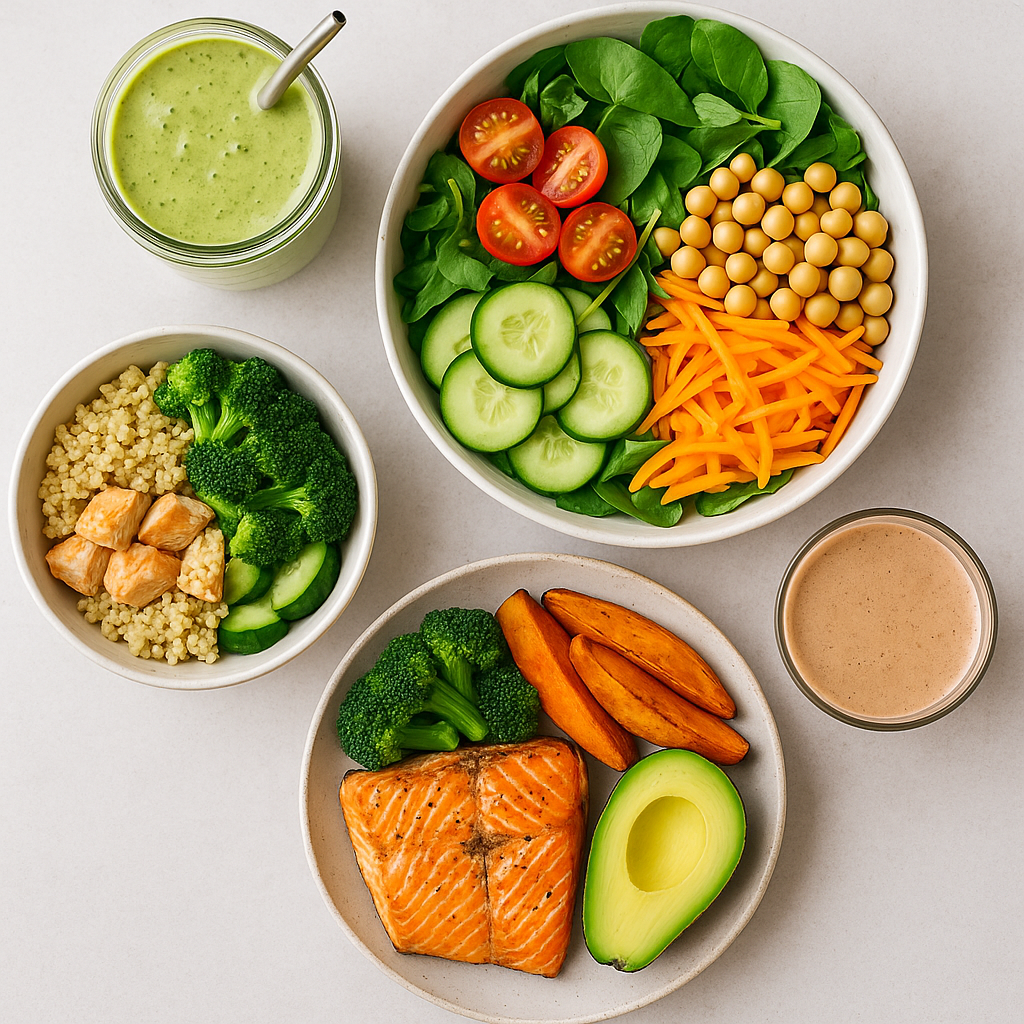
- Breakfast: Greek yogurt with berries, chia seeds, and a drizzle of flaxseed oil.
- Lunch: Quinoa salad with grilled chicken, mixed greens, and a light olive oil vinaigrette.
- Snack: Protein shake blended with banana, oats, and almond butter.
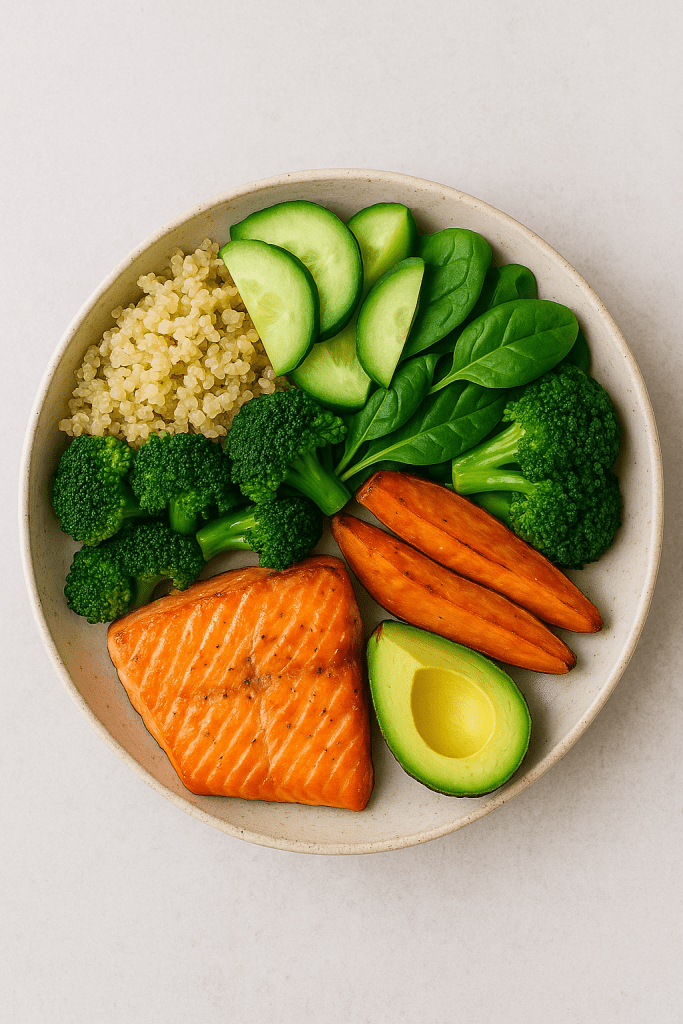
- Dinner: Baked salmon, roasted sweet potatoes (tossed in avocado oil), and steamed broccoli.
Bottom Line: Don’t Let Nutrition Myths Steal Your Joy
The internet is full of health advice that’s either overly simplified or fear-driven. The truth about seed oils, protein powders, and clean eating is that context matters. You don’t have to avoid entire food categories — you just need to make informed, balanced choices.
Your health isn’t built in a single meal — it’s shaped over weeks, months, and years of consistent habits.
Got Questions or Want Personalized Tips?
If you have specific questions about seed oils, protein powders, or building a sustainable healthy eating plan, contact me here — I’d love to help fine-tune your approach.
Want More?
If you enjoyed this post, you might also like:
 VitalShift
Leave a comment