

Introduction: The Secret Behind the Buzz
If you’ve been following fitness trends or listening to gym-goers lately, you’ve probably heard a lot about creatine. But what exactly is creatine, and why is it getting so much attention? Whether you’re aiming to build muscle, boost your performance, or simply improve your overall workout efficiency, creatine has earned its place in the spotlight. So, why is everyone talking about it, and more importantly, should you be taking it?
In this post, we’ll dive deep into the science behind creatine, its benefits, potential risks, and everything else you need to know to decide whether it’s the right supplement for you.
What Is Creatine?
Creatine is a naturally occurring compound found in small amounts in certain foods (like red meat and fish) and also synthesized in the human body. It’s stored primarily in your muscles, where it plays a crucial role in energy production. More specifically, creatine helps your body produce ATP (adenosine triphosphate), the primary energy source used during short bursts of high-intensity activities like weightlifting, sprinting, or jumping.
When your ATP stores are low, your performance suffers. Creatine supplementation helps increase these stores, providing more energy for your muscles and improving your athletic performance. Sounds promising, right?
The Benefits of Creatine
1. Increased Muscle Mass
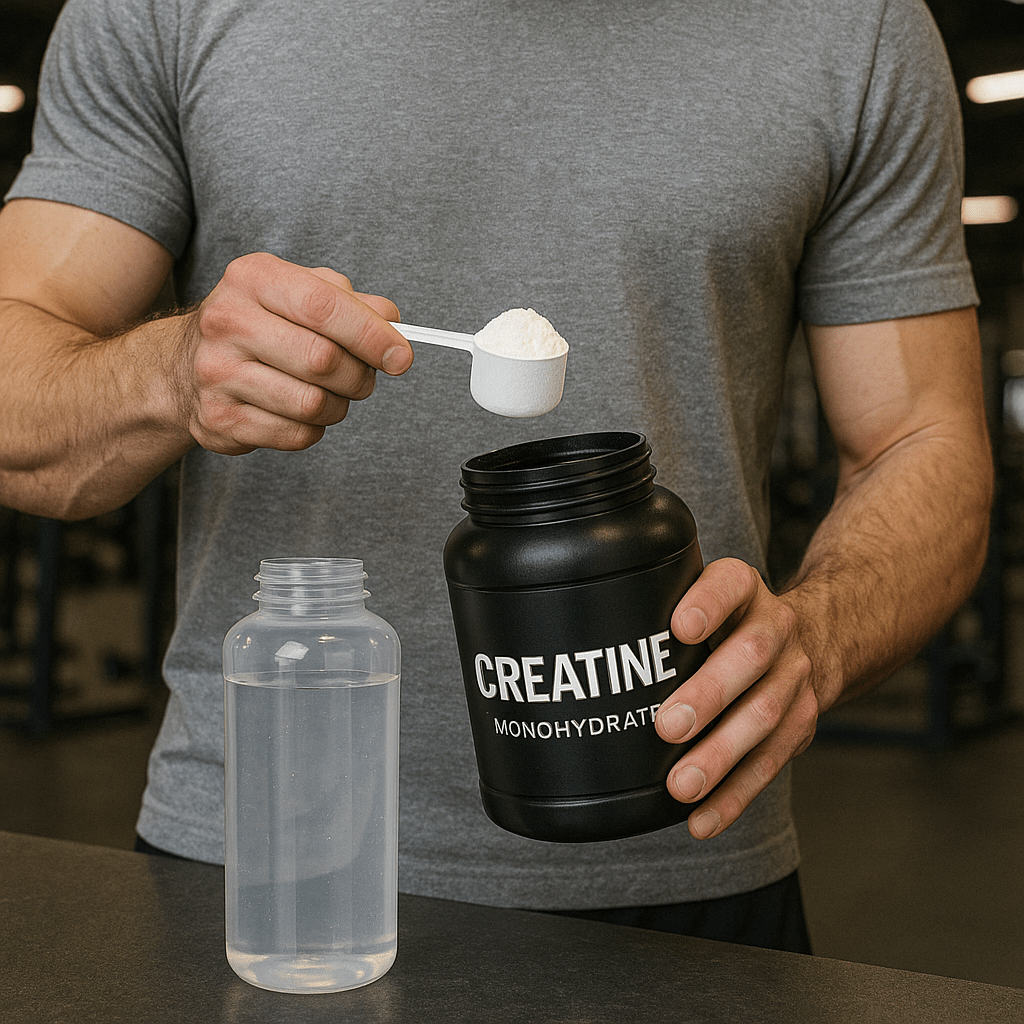
One of the most well-known benefits of creatine is its ability to help build muscle. Creatine works by increasing the water content in your muscles, leading to a temporary “muscle pump” that may make your muscles appear fuller. Over time, creatine helps you perform more reps and sets, resulting in greater muscle fiber growth and strength development.
2. Improved Exercise Performance
Studies have consistently shown that creatine can improve performance in activities that involve short bursts of high-intensity effort. Whether you’re sprinting, doing HIIT workouts, or lifting heavy weights, creatine helps you push through the fatigue and perform at your best.
3. Enhanced Recovery
Creatine doesn’t just benefit your workouts – it can help your muscles recover faster post-exercise. By reducing muscle damage and inflammation, creatine allows for quicker recovery times, which is crucial for individuals who train frequently or with high intensity.

4. Brain Benefits (Yes, Really!)
While most people associate creatine with physical performance, recent research suggests that it may have cognitive benefits as well. Some studies show that creatine can improve mental performance, memory, and overall brain function, especially in high-demand situations like intense studying or mental tasks.
How to Take Creatine
The Different Forms of Creatine
When you go to the supplement store, you’ll likely come across several types of creatine. The most common form is creatine monohydrate, which is also the most researched and effective. Other forms, like creatine ethyl ester or buffered creatine, are marketed as more easily absorbed, but the research supporting their superiority is limited.
For most people, creatine monohydrate is sufficient.

Creatine Loading vs. Maintenance
Some people recommend a “loading phase,” where you take a higher dose of creatine for 5-7 days (about 20 grams per day), followed by a maintenance phase of 3-5 grams per day. Others argue that skipping the loading phase and simply taking 3-5 grams daily will eventually lead to the same benefits. Both approaches work, but the loading phase can get you to optimal levels faster.
Potential Side Effects of Creatine
While creatine is generally considered safe for most people, it’s important to understand that, like any supplement, it can have side effects. The most common side effect is weight gain, which is typically due to water retention in the muscles. Some individuals may also experience bloating, digestive discomfort, or dehydration.
However, these side effects are usually mild and can be minimized by staying well-hydrated and using the proper dosage.
Is Creatine Right for You?
Creatine supplementation is beneficial for people involved in sports or activities that require explosive movements, such as strength training, sprinting, or high-intensity interval training. If you’re primarily doing low-intensity or endurance exercises like long-distance running, you might not notice as much of a benefit from creatine supplementation.
If you’re considering adding creatine to your routine, here are a few things to keep in mind:
- If you’re new to strength training: Creatine can help you make faster progress.
- If you’re a seasoned athlete: Creatine can give you the edge you need to push your limits even further.
- If you’re concerned about side effects: Start with a smaller dose (3 grams) and gradually increase as needed.
Who Should Avoid Creatine?
While creatine is safe for most people, it may not be suitable for those with kidney disease or pre-existing kidney conditions, as it can place added strain on the kidneys. If you have any underlying health conditions, it’s always a good idea to consult your doctor before starting a new supplement.
Conclusion: Should You Try Creatine?
Creatine is a highly effective supplement with numerous benefits, from increased muscle mass to improved exercise performance and faster recovery times. For many, it can be a game-changer in the gym or during high-intensity workouts.
However, like any supplement, it’s important to consider your individual goals, workout routine, and any potential health concerns. If you think creatine might be right for you, starting with a lower dose and gradually increasing it can help minimize side effects.
Contact Me for Specific Questions
Have questions about creatine or need more advice on supplements and fitness? Feel free to reach out via my Contact Page, and I’d be happy to help you out!
Want More?
If you found this post helpful, check out these other related blog posts:
 VitalShift
Leave a comment