
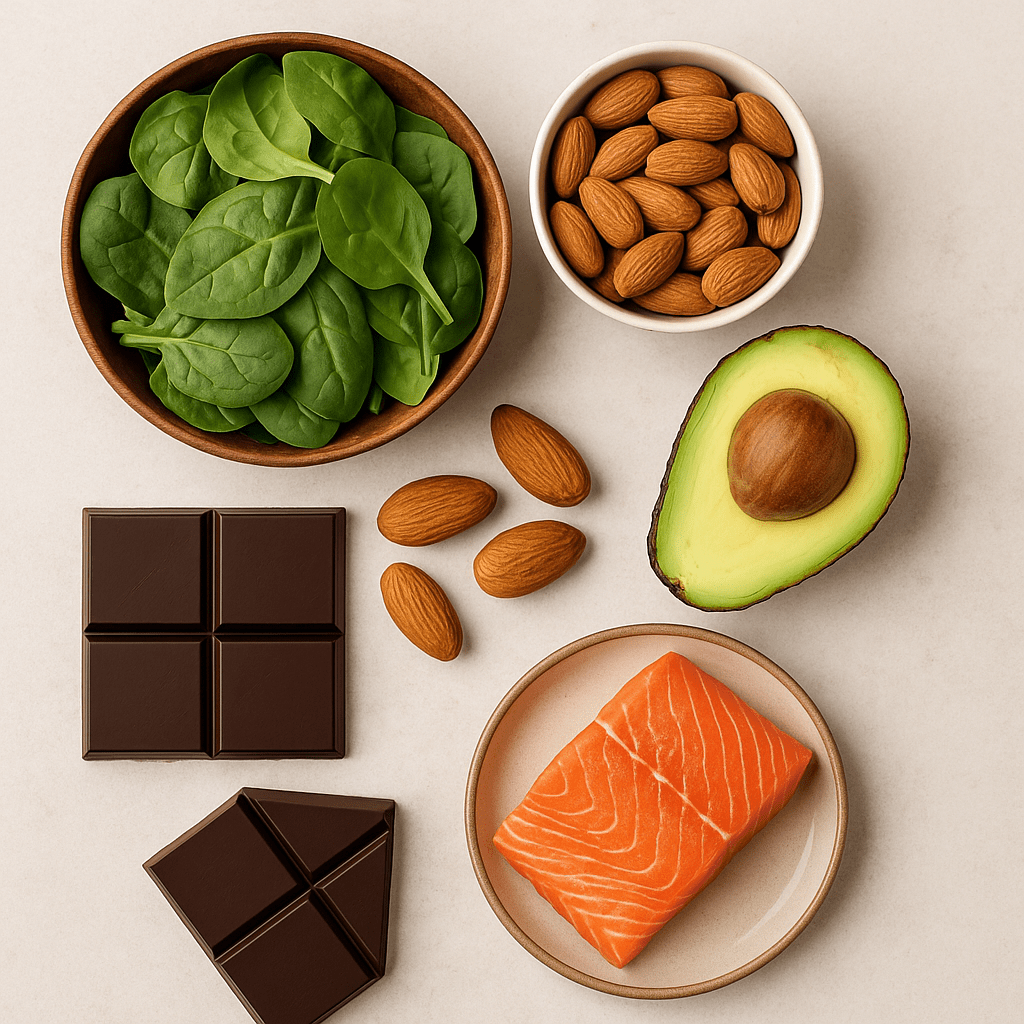
Discover how targeted nutrition transformed my anxious mind—and how it can help you too.
If you’ve ever Googled “what to eat for anxiety,” you’re not alone—I was right there with you. After years of struggling with racing thoughts and sleepless nights, I decided to try something different: I focused on feeding my mind with the nutrients it was missing.
Spoiler: it worked better than I ever expected.
Below, I’ll share the top foods that actually helped me feel calmer, what I learned about the gut-brain connection, and simple changes you can try for yourself. These aren’t just trendy TikTok tips—these are science-backed choices that helped me reset my nervous system.
1. Magnesium-Rich Foods: A Natural Chill Pill
I kept reading that magnesium plays a key role in calming the nervous system—and the research backs it up. It helps regulate cortisol, the body’s stress hormone, and supports deep, restorative sleep.
Here’s what I started eating more of:
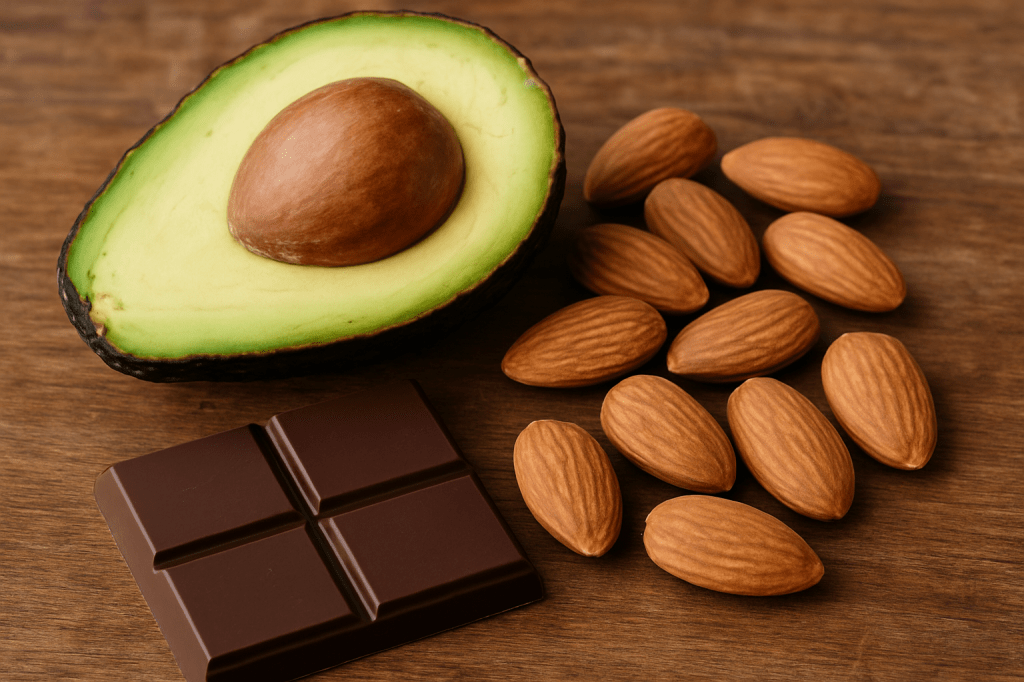
- Dark leafy greens (spinach, kale)
- Avocados
- Almonds and cashews
- Dark chocolate (yes, really!)
- Wild-caught salmon
Keyword Tip: If you’re looking for supplements, search for magnesium for anxiety—but food sources are a great first step.
2. Calming Foods That Actually Soothed Me
Some foods seemed to aggravate my anxiety (looking at you, coffee and sugar), while others made me feel grounded and balanced.
My go-to calm foods:
- Chamomile or peppermint tea (great before bed)
- Turkey (rich in tryptophan)
- Oats and bananas (slow-releasing carbs for steady energy)
- Fermented foods like yogurt and sauerkraut
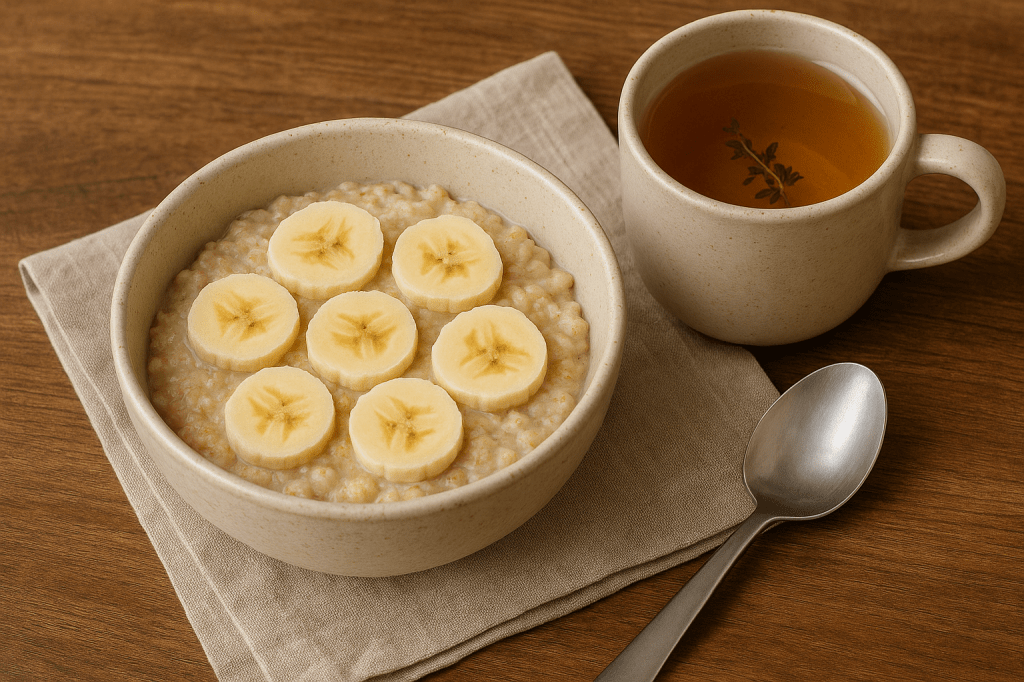
These foods became my calm anchors throughout the day—especially on days when my anxiety felt close to spiraling.
3. Gut-Brain Connection: The Hidden Key
I was blown away by how closely the gut and brain are linked. Once I focused on healing my digestion, I started noticing fewer anxious spells.
I added:
- Prebiotic fibers (like garlic, leeks, and onions)
- Probiotic-rich foods (kefir, kimchi, miso)
- More whole foods, fewer ultra-processed snacks
Improving gut health gave me more stable energy and mood regulation—it’s a step I wish I’d taken sooner.
4. What I Cut Out (That Made a Big Difference)
Let’s talk about what didn’t help. I noticed a major shift once I reduced or eliminated:
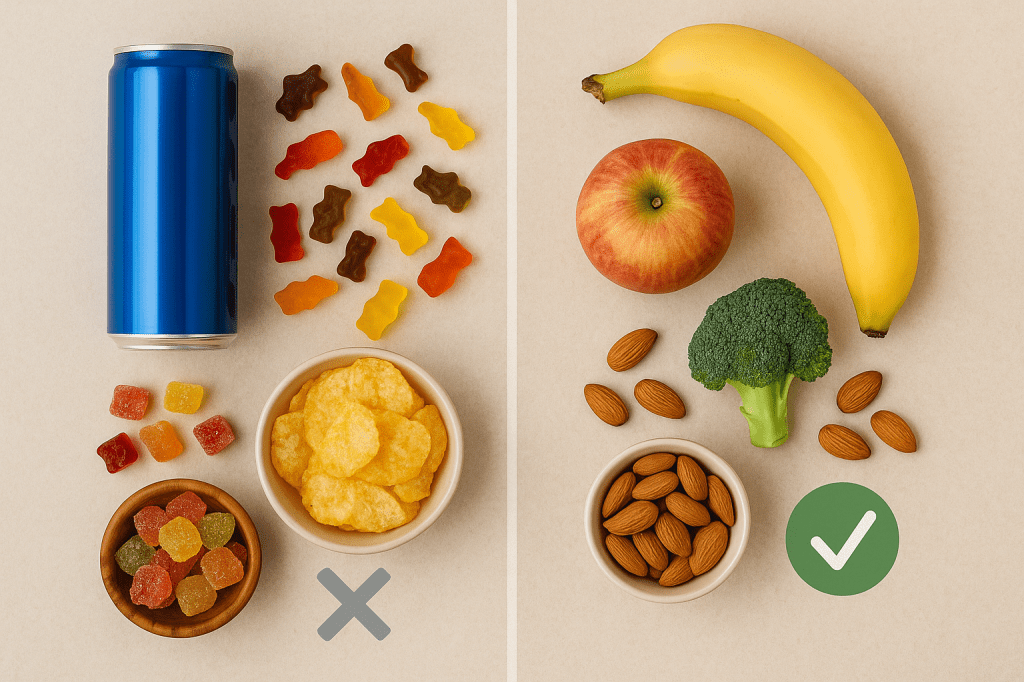
- Caffeine (I switched to half-caf, then herbal tea)
- Sugar and high-glycemic foods (these triggered crashes)
- Alcohol (temporary relief, long-term anxiety boost)
- Ultra-processed snacks with additives
Even small tweaks like reducing caffeine after noon helped calm my nervous system and reduce jitteriness.
What Worked for Me (And Could Work for You Too)
No, changing my diet didn’t “cure” anxiety—but it did take the edge off in a way that nothing else had. I felt more grounded, less reactive, and finally in sync with my body.
My top anti-anxiety diet tips:
- Start with magnesium-rich foods
- Focus on whole, calming ingredients
- Support gut health daily
- Be mindful of triggers like caffeine and sugar
Remember: nutrition isn’t a magic fix, but it’s a powerful tool you can control.
Want Personalized Guidance?
If you’re exploring food for your anxiety and want specific suggestions—or have feedback or questions about this post—I’d love to help.
👉 Contact me here and let’s start the conversation.
 VitalShift
Leave a comment