
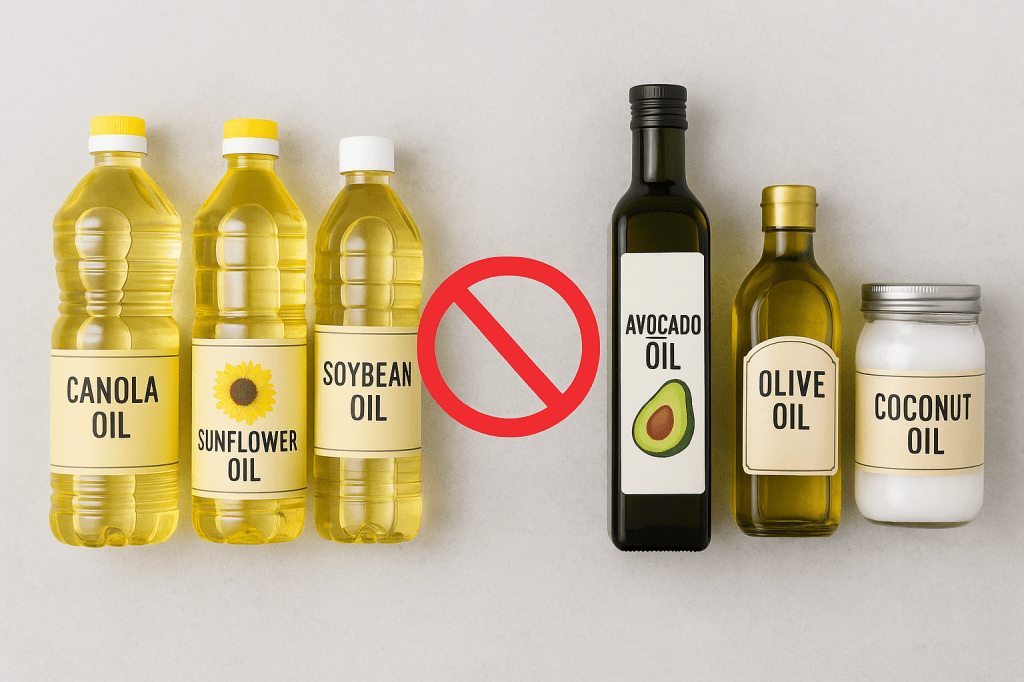
I Cut Out Seed Oils for 30 Days—Here’s What Actually Happened
Why Everyone’s Talking About Seed Oils Right Now
Seed oils are in everything—from salad dressings to “healthy” granola bars. But lately, they’ve been labeled as inflammatory villains in the clean eating world. So I put it to the test.
👉 I cut out all seed oils for 30 days.
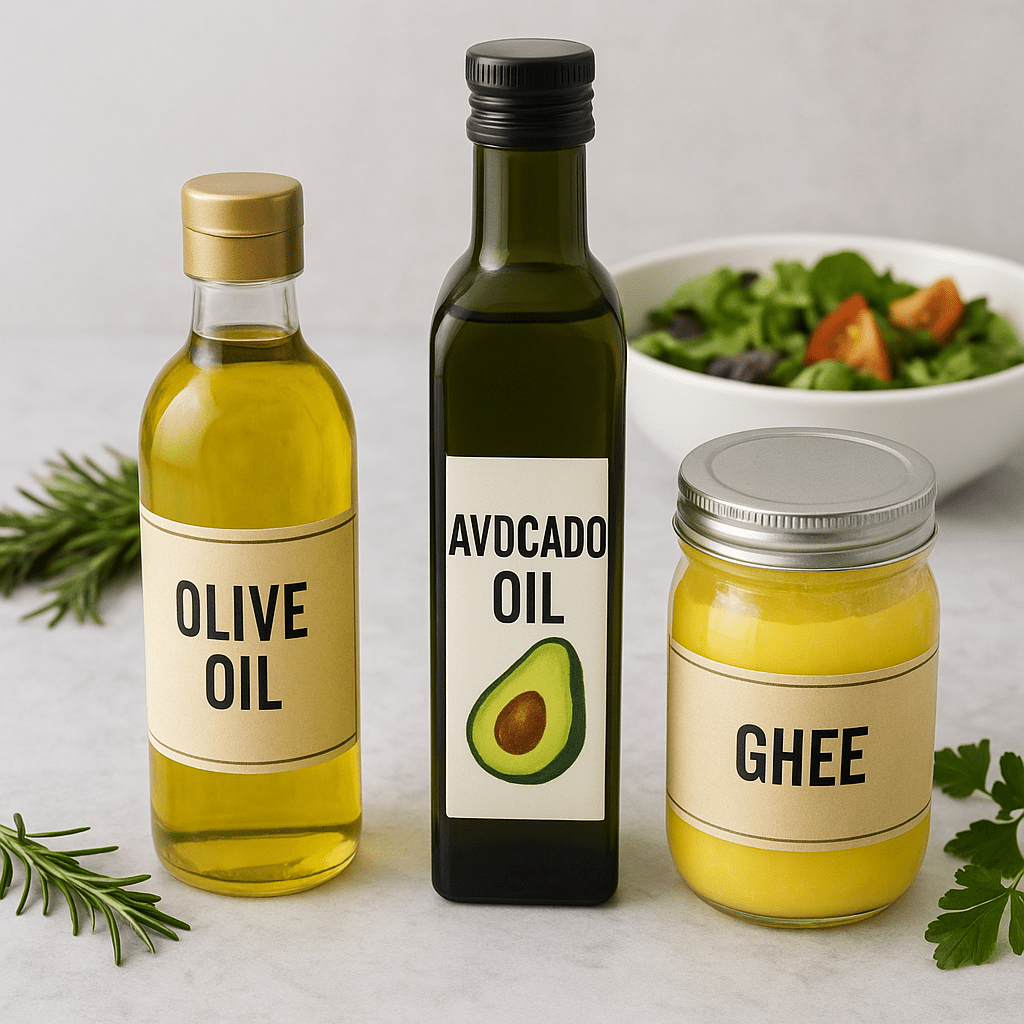
👉 I swapped them with natural fats like olive oil, avocado oil, and ghee.
👉 I tracked how I looked, felt, and even digested.
Here’s what really happened—and what you need to know before your next grocery haul.
What Are Seed Oils, Anyway?
Seed oils include:
- Canola (rapeseed)
- Soybean
- Corn
- Sunflower
- Safflower
- Grapeseed
- Cottonseed
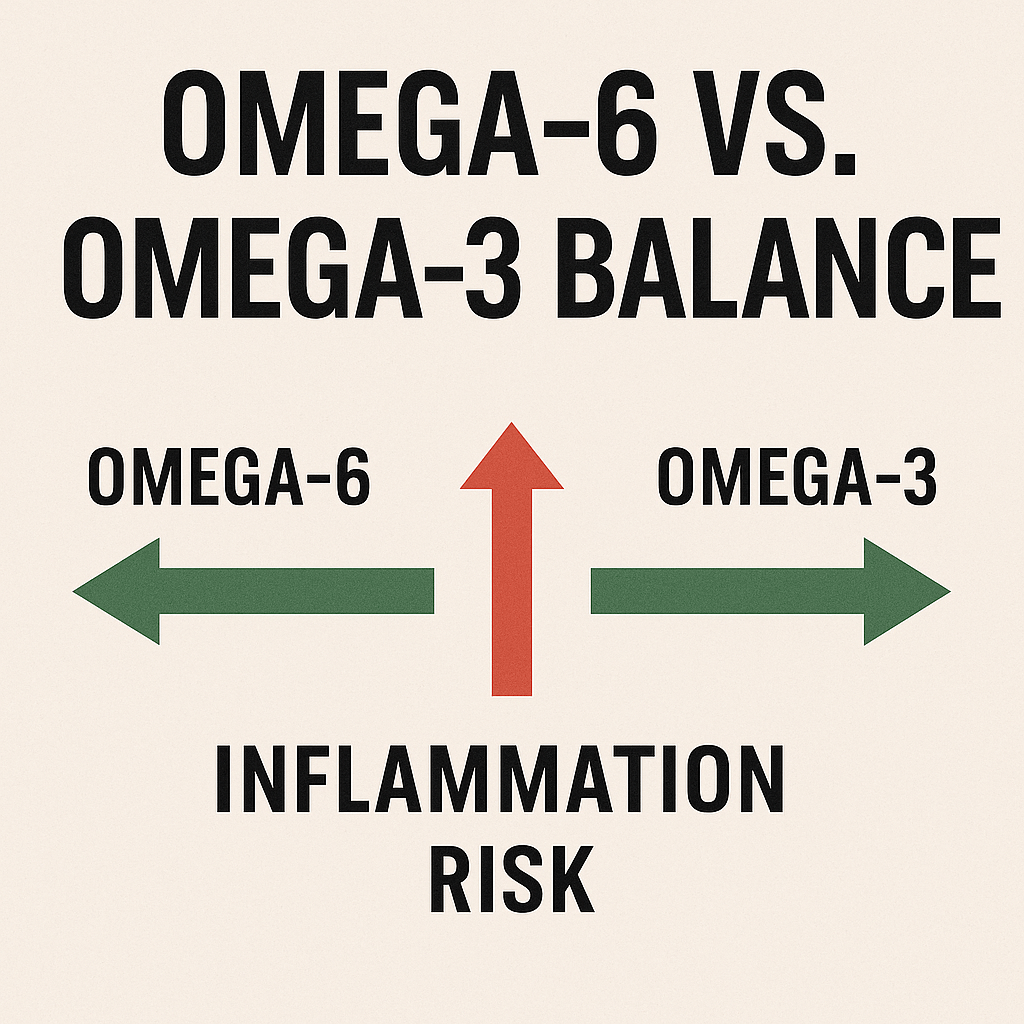
These oils are heavily processed, often extracted with chemicals like hexane, and high in omega-6 fatty acids—which can promote inflammation when consumed excessively.
Fun Fact: Our ancestors had a near 1:1 ratio of omega-3 to omega-6. Today, it’s closer to 1:20.
Why I Ditched Seed Oils for 30 Days
I was struggling with:
- Midday fatigue
- Mild bloating
- Brain fog
I read the buzz about seed oils being inflammatory and thought: Why not try going without them for a month?
What I Used Instead (Clean Swaps That Actually Taste Good)
| Instead of… | I Used… |
|---|---|
| Canola oil | Avocado oil (great for high-heat cooking) |
| Vegetable oil | Cold-pressed extra virgin olive oil |
| Margarine | Organic grass-fed ghee |
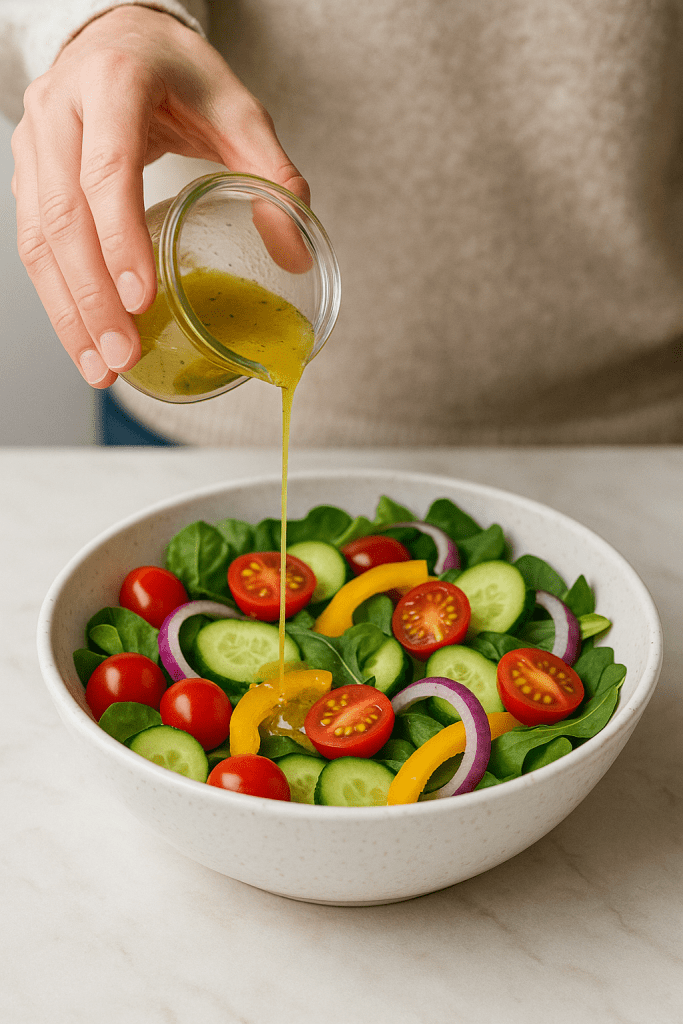
| Store-bought dressings | Homemade vinaigrette with olive oil + ACV |
What Changed After 30 Days
After cutting seed oils completely, here’s what I noticed:
- Less bloating and better digestion
- More stable energy throughout the day (no more crashes)
- Clearer skin—which totally surprised me
- My cravings dropped, especially for fried or processed snacks
I didn’t change anything else. Just the oils. And that alone made a huge difference.
What the Science Says
Research shows that excessive omega-6s (found in seed oils) can contribute to:
- Chronic inflammation
- Obesity and metabolic disorders
- Heart disease risks
While the science is still evolving, many integrative doctors recommend limiting processed oils and opting for traditional fats our bodies actually recognize.
How to Avoid Seed Oils at the Grocery Store
Here’s how I shop now:
- Read every label—they sneak seed oils into snacks, sauces, even “healthy” protein bars
- Choose products with coconut, avocado, or olive oil
- When dining out, I ask about cooking oils or go for grilled/meat-based options
Bonus Tip: Make Your Own Dressings
I now blend extra virgin olive oil, lemon juice, Dijon mustard, and herbs—tastes amazing and no sketchy additives.
Final Thoughts: Should You Ditch Seed Oils?
If you’re experiencing any of the following:
- Bloating
- Skin flare-ups
- Energy dips
- Brain fog
…it might be worth doing your own 30-day challenge. You don’t need to be perfect—just swap one oil at a time and see how your body responds.
Have Questions or Want Personalized Tips?
I’d love to hear from you! If you’re unsure which products to buy or want help cleaning up your kitchen oils, contact me here.
Call to Action
If you found this post helpful, share it with a friend who’s on a health journey too.
And don’t forget to subscribe for more real-life wellness swaps that make a real difference.
 VitalShift
Leave a comment