Are you tired of constant energy crashes, stubborn belly fat, and feeling hungry all the time—even after eating? You might be eating too many carbs and not enough protein. Switching to a low-carb, high-protein diet could be the missing link between you and your health goals.
Let’s break down why this diet is more than a trend—and how it could completely shift the way you feel, perform, and live.
What is a Low-Carb, High-Protein Diet?
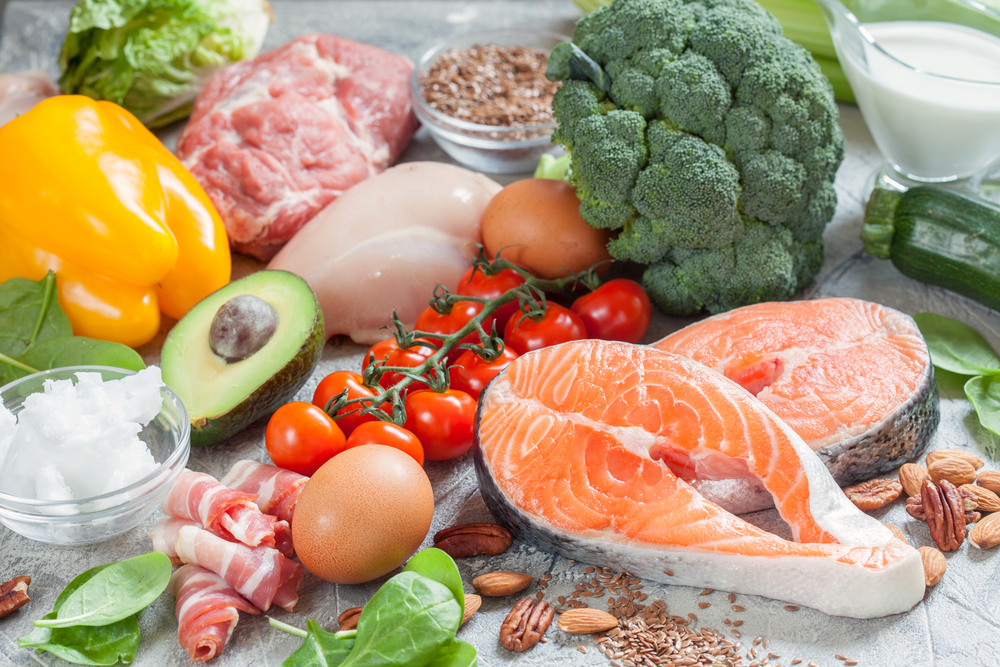
A low-carb, high-protein diet limits your intake of sugars and starches while increasing high-quality proteins like lean meats, fish, eggs, legumes, and protein-rich plants.
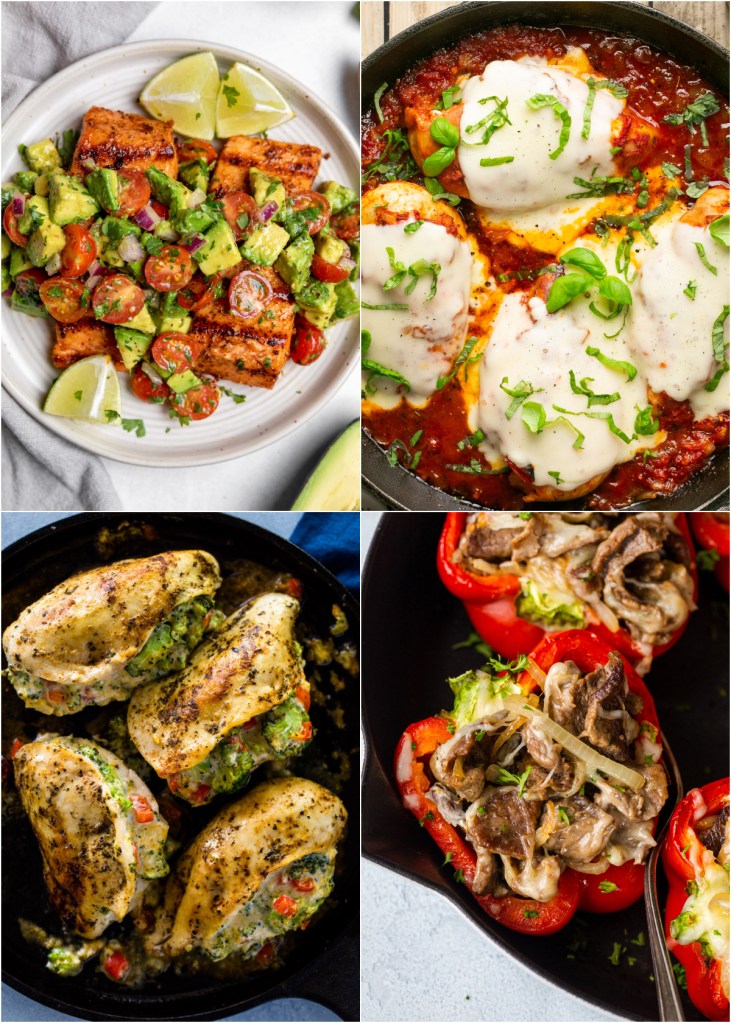
Instead of relying on carbs for energy, your body turns to stored fat, making this way of eating a powerful fat-burning tool.
Top Benefits of a Low-Carb, High-Protein Diet
1. Faster Fat Loss
By reducing insulin spikes (triggered by carbs), your body can access fat stores more efficiently. Pair that with more protein, and you’ll preserve lean muscle while burning fat.

2. More Energy, Fewer Crashes
Say goodbye to the blood sugar rollercoaster. Protein and healthy fats offer sustained energy without the midday slump.
3. Better Appetite Control
Protein is incredibly filling. You’ll naturally eat less without trying, making this diet ideal for reducing cravings and unnecessary snacking.
4. Improved Muscle Tone and Strength
If you’re active or hitting the gym, protein helps repair and build muscle—essential for metabolism and a lean physique.

5. Sharper Focus and Mood Stability
Lowering sugar intake and fueling with protein can lead to better mental clarity and fewer mood swings. Your brain loves stable energy, too.
Best Foods to Eat on a Low-Carb, High-Protein Diet
- Proteins: Eggs, chicken breast, lean beef, turkey, tofu, tempeh, Greek yogurt, protein powders
- Low-Carb Veggies: Spinach, broccoli, zucchini, cauliflower, kale
- Healthy Fats: Avocado, olive oil, nuts, seeds
- Extras: Bone broth, chia seeds, low-carb tortillas, and high-protein snacks

A Few Tips for Success
- Stay hydrated: Cutting carbs can lead to water loss at first.
- Ease in gradually: Your body may need a few days to adapt.
- Track your meals: Apps like MyFitnessPal help you stay balanced.
- Watch out for hidden carbs: Especially in sauces and packaged foods.
Is This Diet Right for You?
Always check with a healthcare provider, especially if you have a medical condition. That said, many people—from busy professionals to athletes—see real, lasting results with a low-carb, high-protein lifestyle.
Ready to Make the Shift?
Don’t wait to feel better, look stronger, and live with more energy.
Start your low-carb, high-protein transformation today—and fuel your body the way it deserves.
Join the VitalShift community now
 VitalShift
Leave a comment